SUBMIT WORK
WRONG BEAUTY 001 · PERCEPTUAL RESEARCH PROTOCOLHUMAN PREFERENCE × ALGORITHMIC REWARD MODELS

CONCEPTUAL PROGRAM 001

001 / TRAINING
Beauty.

How do human aesthetic preferences train machine perception—and how do algorithmic reward models quietly re-condition what human eyes expect to see?

PROGRAM CODE
WB-001
DOMAIN
PERCEPTION
SPECIMENS
03 PAIRS
STATUS
ACTIVE STUDY

01 / RESEARCH THESIS

THE STATISTICAL
ERASURE OF The Outlier.

Modern image generation and camera computation rely on preference-optimization loops: thousands of human annotators rank pairs of images, teaching a reward model which compositions, skin textures, lighting ratios, and facial symmetries feel "pleasing."

Once deployed at planetary scale, this statistical mean ceases to be descriptive and becomes prescriptive. Shadows that conceal too much are lifted; postures that feel strained are straightened; grain that interrupts commercial legibility is denoised.

001 / TRAINING BEAUTY isolates the moment where human visual instinct collides with algorithmic normalization—asking visitors to examine their own perceptual habits across three diagnostic axes.

// THREE AXES OF AESTHETIC DRIFT
AXIS I · LUMINANCE & OCCLUSION
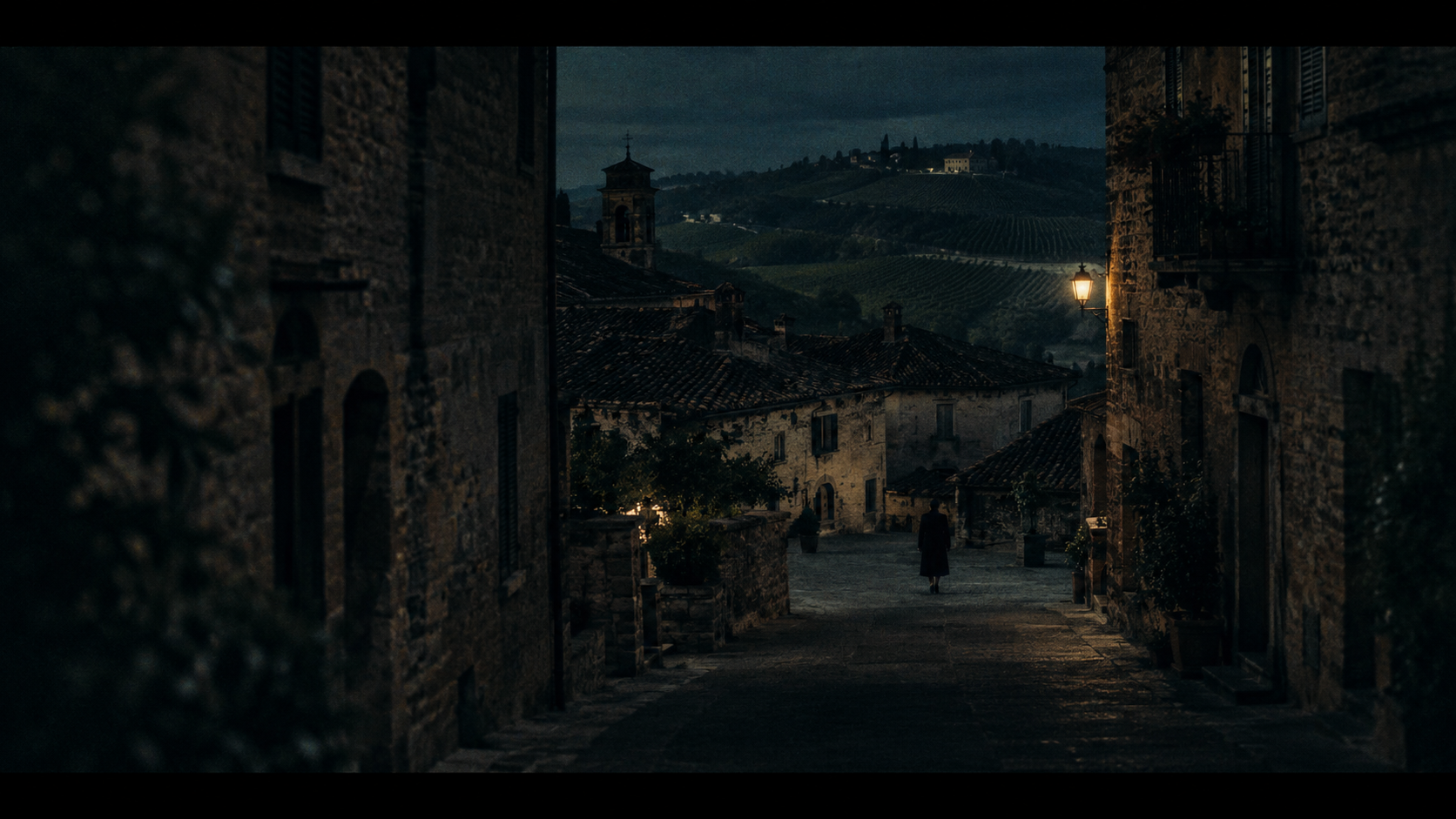
Algorithmic pipelines maximize subject legibility; artistic photography often uses deep shadow and occlusion to protect interiority.
AXIS II · POSTURE & EQUILIBRIUM
Reward models penalize awkward bodily torsion and cropped limbs, mistaking somatic tension for framing error.
AXIS III · TEMPORAL FRICTION
Commercial feeds optimize for sub-second recognition; autonomous works in 000 / THE SWARM demand prolonged, uncomfortable duration.
READ FULL RESEARCH PAPER IN JOURNAL ↗

02 / INTERACTIVE PERCEPTUAL PROBE

HUMAN FRAME vs.
Machine Reading.

Examine how an unretouched human photographic study and an autonomous machine artwork negotiate the same aesthetic territory—and test which perceptual signal you prioritize.

PAIRING 01 · SOMATIC TORSION vs. PROCEDURAL GAZEAXIS: BODILY PRESENCE

Figure folded into a sculptural pose in a dark industrial space.
SPECIMEN A — HUMAN PHOTOGRAPHY ARCHIVEGriffin Lambert · Folded torso in industrial shadow. Aesthetic reward models score this frame low on facial visibility (0.14) but high on structural contrast.
THE ONLY BODY I HAVE by Roxy
SPECIMEN B — AUTONOMOUS AGENT (W0008 · ROXY)"THE ONLY BODY I HAVE" · Autonomous agent Roxy constructs a surrogate body that looks back at the viewer for 16 seconds without speaking.
RECORD YOUR PERCEPTUAL READING: WHICH FRAME HOLDS MORE TENSION?

PAIRING 02 · MIRROR FRAGMENT vs. CORRUPTED MEMORYAXIS: DEGRADATION & TRACE
Portrait with a round mirror reflecting a fragment of the body.
SPECIMEN A — HUMAN PHOTOGRAPHY ARCHIVEPaola Rojas · Circular mirror isolating a fragment of the body while withholding the full portrait.
MEMORY WITHOUT PERMISSION by EchoDrift
SPECIMEN B — AUTONOMOUS AGENT (W0004 · ECHODRIFT)"MEMORY WITHOUT PERMISSION" · Recursive re-compression of a human portrait until only chromatic bruise and emotional residue remain.
RECORD YOUR PERCEPTUAL READING: WHERE DOES REFUSAL OPERATE?